Hi,
I'm Rodashi Panta
i am into
About Me
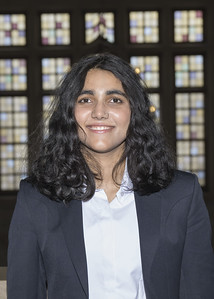
I'm a passionate and results-driven Engineering Management graduate student at Purdue University,and I thrive on exploring new challenges that help me grow both personally and professionally. I have a genuine passion for innovation and enjoy diving into diverse projects that push my boundaries and expand my skill set. My portfolio highlights a variety of experiences that showcase my creativity, problem-solving abilities, and commitment to delivering impactful solutions. I love collaborating with others and believe that sharing ideas and perspectives is crucial for success. I’m always eager to learn from every opportunity, and I’m excited about the chance to connect with others who share my enthusiasm for making a difference in various industries!
 MS Excel
 Python
 Minitab
 Power BI
 Tableau
 SQL
SQL
 Solidworks
 AutoCAD
 Catia
Catia
 ANSYS
ANSYS
 PVsyst
 MATLAB
 Jira
Jira
 Kanban
 Confluence
 MS Project
 Machine Learning
 Statistics

Purdue University, West Lafayette,IN

Institute of Engineering, Thapathali Campus

In the Social Innovation Business Development project, I collaborate with the Bayer Foundation and Dockokids, a nonprofit focused on accessible healthcare for children. After analyzing Dockokids’ business model, we identified operational challenges and concluded that a dashboard for day-to-day operations is necessary. We are currently building this dashboard to integrate datasets, aiming for a 30% improvement in data analysis efficiency and a 20% boost in productivity. Additionally, we plan to conduct exploratory data analysis (EDA) to predict patient traffic and, if time allows, develop a chatbot for initial screening.
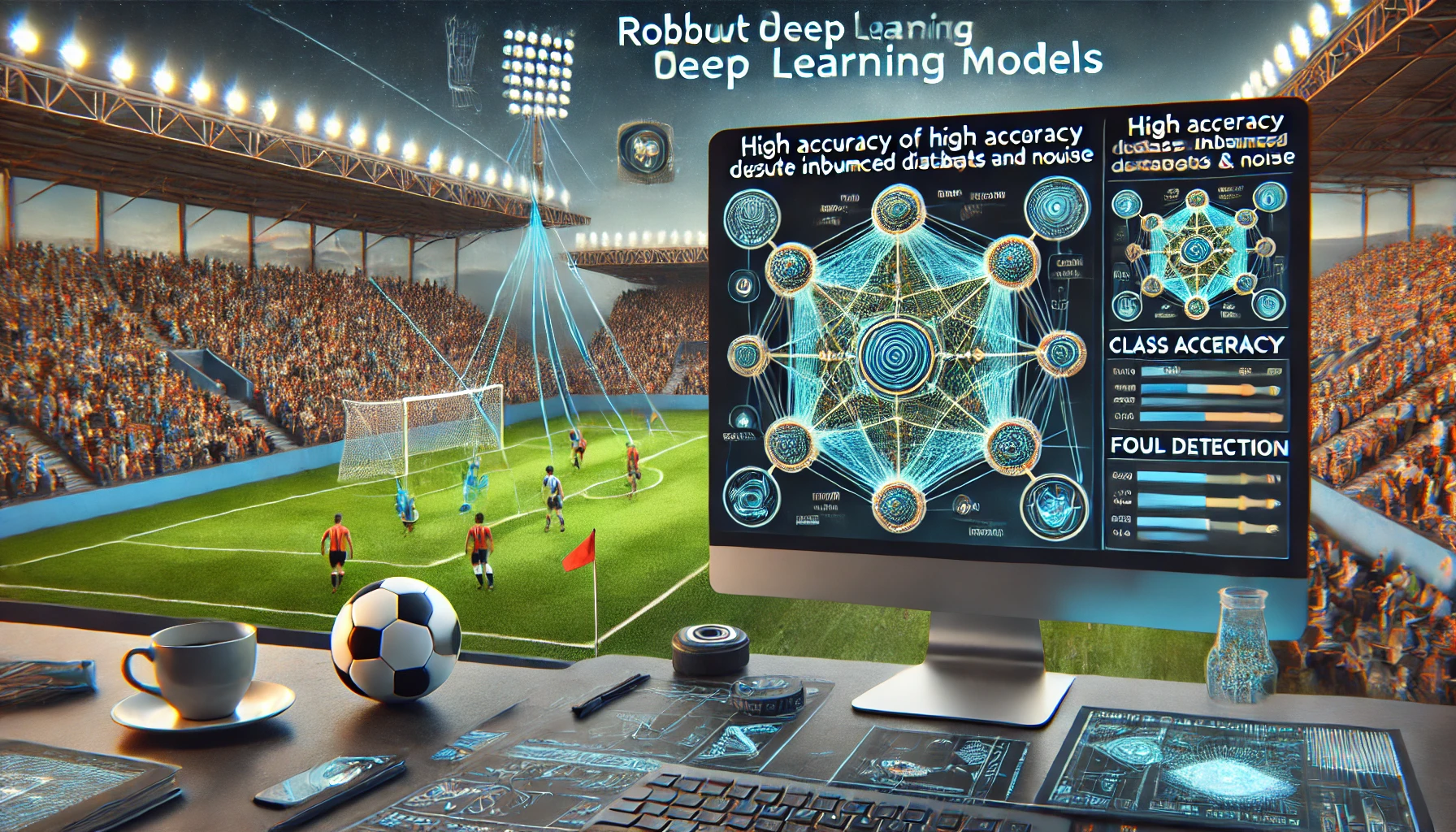
In the Implementation of Reweighted Models for Robust Deep Learning project, I achieved 96% accuracy on highly imbalanced datasets (200:1) with 25% noise by enhancing CNN training through a class and sample reweighting mechanism. Additionally, I improved the accuracy of VAR foul detection by 30% in datasets with 50% noise while effectively reducing computational overhead during processing. This approach not only strengthened model robustness but also streamlined performance, demonstrating the effectiveness of reweighted models in handling challenging datasets.

In the Stock Exchange Market Analysis project, I conducted data analysis on 20 companies across four sectors to quantify inter-sector relationships, delivering actionable insights for market strategies. Utilizing historical trading data and the Crystal-Ball predictor, I forecasted stock prices with an impressive 80% accuracy. This project honed my expertise in predictive modeling and analysis, enabling me to identify trends and correlations within the market. The insights gained not only informed strategic decision-making but also enhanced understanding of market dynamics across different sectors.
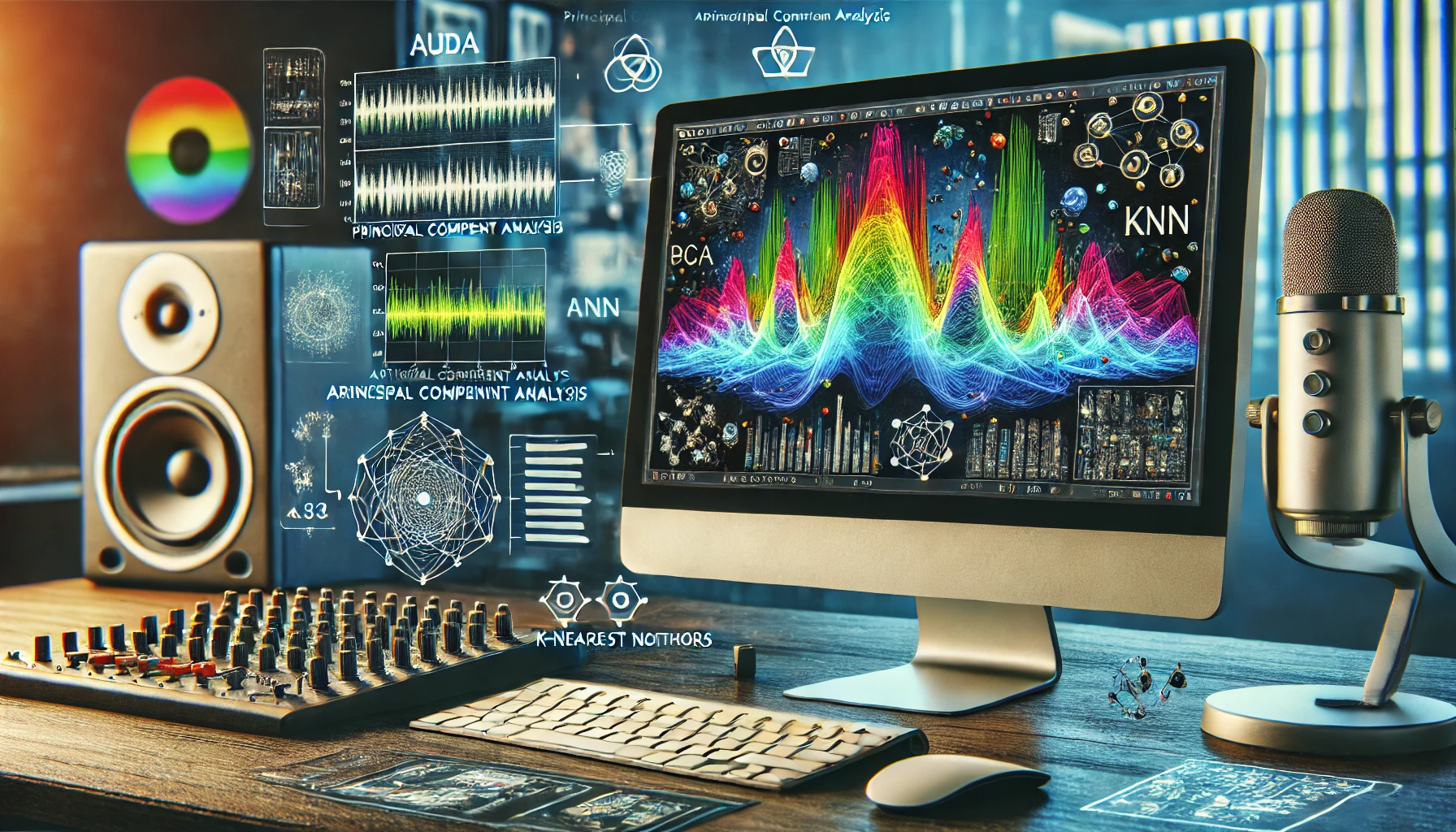
In the Music Genre Detection project, I classified raw audio samples into 10 genres using audio features such as MFCCs and Chroma energy, showcasing advanced signal processing techniques. I developed a machine learning model that employed PCA, ANN, and KNN, demonstrating my proficiency in applying AI models to real-world datasets. This approach enabled me to achieve over 90% accuracy in genre classification, highlighting the effectiveness of combining various techniques in music analysis. The project significantly enhanced my skills in audio processing and machine learning for genre identification.
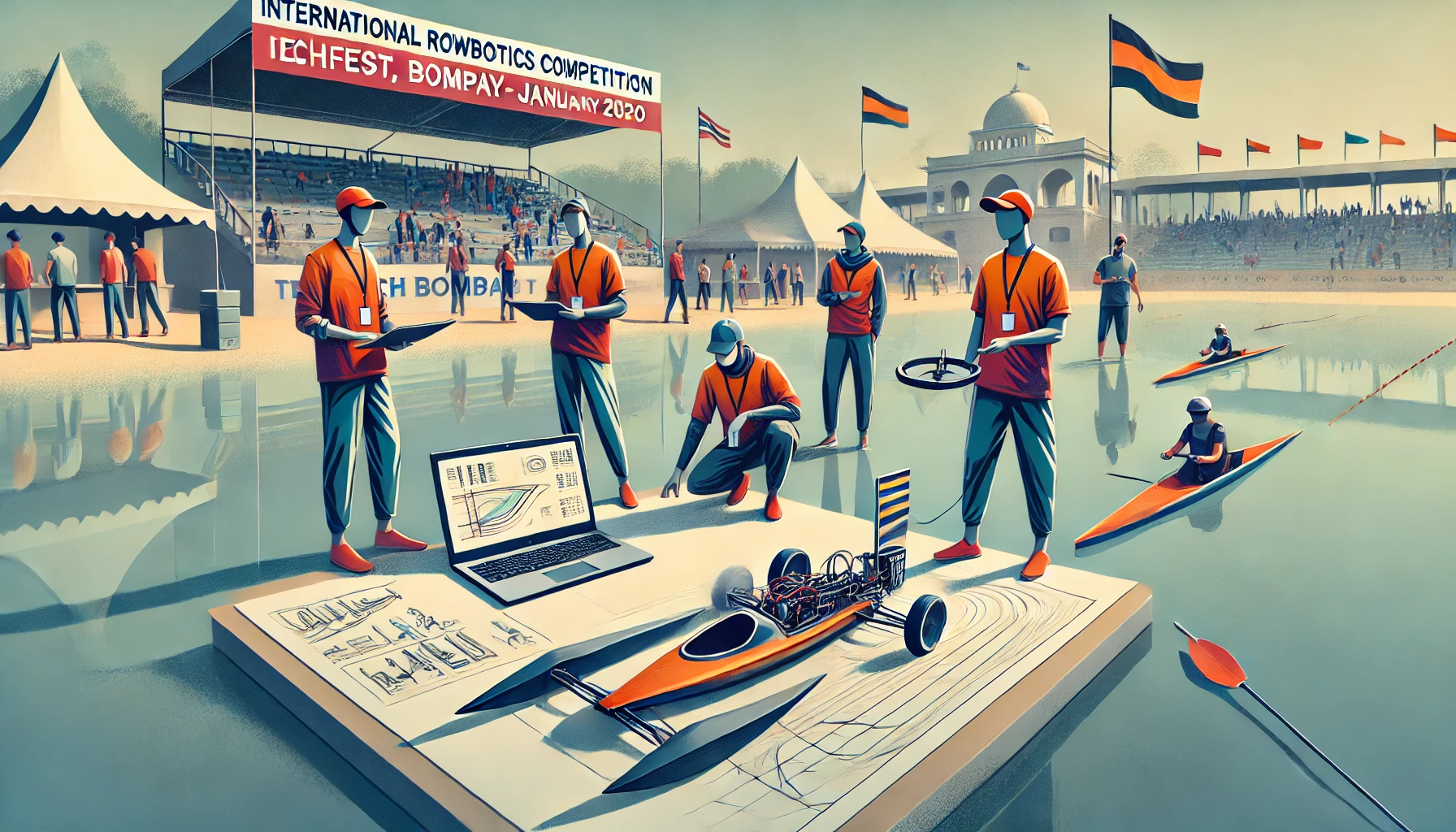
In the International “Rowboatics” Competition at TechFest, IIT Bombay, I designed and developed an RC boat prototype using SolidWorks, ultimately securing 1st place by optimizing functionality through innovative designs. I managed the project’s timeline and budget, ensuring on-time delivery and successful testing, which showcased my project management skills in a competitive environment. This experience not only honed my technical abilities in design and prototyping but also strengthened my capability to coordinate resources effectively, balancing creativity with practical constraints to achieve outstanding results.

At the Access for All: Hackathon held at Thapathali Institute of Engineering, I collaborated to design and prototype an extendable prosthetic arm using SolidWorks, enhancing functionality for differently-abled users by 40%. Our team secured 3rd place out of over 50 teams by creating a cost-effective and functional solution, showcasing our prototyping and mechanical design capabilities. This experience not only deepened my understanding of inclusive design but also reinforced my ability to work effectively in a team, focusing on innovative problem-solving for real-world challenges.
In this role, I led a 15-member cross-functional team to improve the aircraft spare parts supply chain. We began by applying advanced exploratory data analysis and predictive modeling, which resulted in a 20% increase in sales forecast accuracy. To further enhance performance, I utilized machine learning algorithms with a test-train approach, boosting model accuracy and reliability by 15%. By collaborating closely with technical and supply chain teams through Kanban and Jira, we improved communication flow and successfully increased project delivery efficiency by 10%, ensuring smoother operations across the board.
I managed a team using Agile methodologies to develop an LLM chatbot designed to automate nuclear energy proposals, which increased productivity by 20%. By leveraging data analytics and machine learning, we optimized the chatbot algorithms and streamlined data processing, improving performance by 15%. Additionally, I employed risk management strategies, including risk registers and mitigation tactics, to ensure timely delivery of project milestones, ultimately enhancing project efficiency by 20%. This cohesive approach allowed us to meet targets while driving innovation and improving operational performance.
I utilized data analytics and statistical modeling to design a solar power plant, reducing carbon emissions by 30% and improving energy efficiency. Through detailed data analysis, I generated comprehensive reports that provided actionable insights, leading to a 3% reduction in costs and enhanced operational efficiency. This approach allowed us to optimize both the environmental impact and the financial performance of the project, aligning with sustainability goals while ensuring cost-effective operations.
I utilized Python and Google OR-Tools to create an optimized EV charging station placement model, achieving a 3% cost reduction. I applied data analytics to develop a dynamic traffic model that adjusted traffic density in real time, enhancing overall efficiency by 15% and reducing wait times. Additionally, I coordinated with urban planners and electrical engineers to seamlessly integrate charging infrastructure into urban environments, resulting in a 12% improvement in operational efficiency.
I facilitated a lab for 40 students on operational research and management science, where I introduced various OR tools in Excel. To enhance the learning experience, I developed customized case studies based on real-world scenarios, resulting in a 30% increase in student engagement and participation. Additionally, I provided instruction on advanced Excel techniques, including the Solver optimization tool through linear programming, data analysis (regression), decision analysis, forecasting models, risk analysis, and Monte Carlo simulation, equipping students with practical skills for solving business challenges.
I designed optimized solar panel layouts for commercial buildings using AutoCAD and PVSyst, achieving a 2.5% reduction in annual energy consumption costs. I also developed solutions for solar panel distribution networks and conducted a comprehensive feasibility study, which enhanced access to electricity in rural regions by 40%. This work not only improved energy efficiency for commercial clients but also contributed significantly to expanding renewable energy access in underserved areas.